Formatting breaks
Headings, spacing, lists, tables, links, and pasted styles often need manual cleanup inside the WordPress editor.
#google-docs-to-wordpress
Write and review in Google Docs. Export to WordPress with clean formatting and images. Use AI to help fill in publishing details. Keep posts linked to their source documents, manage them in your Content Index, and see their Google Search performance with SEO Tracker.
Works with WordPress.com, self-hosted WordPress, and supported WordPress sites.

#the-problem
Google Docs is great for writing, editing, and approvals. But moving the final article into WordPress often means fixing formatting, uploading images, setting metadata, rebuilding links, and checking the post again before it can go live.
Headings, spacing, lists, tables, links, and pasted styles often need manual cleanup inside the WordPress editor.
Article images have to be downloaded, uploaded to the Media Library, inserted correctly, and checked again before publishing.
Titles, slugs, excerpts, categories, tags, status, and publish dates are often entered manually after the article is already finished.
When the source Google Doc changes, teams need a safe way to update the existing WordPress post without creating duplicates.
#how-it-works
Tenwrite gives writers and content teams a clean publishing workflow without changing where they draft.
Connect WordPress.com, self-hosted WordPress, or another supported WordPress site once and reuse it for future exports.
Select one or more Google Docs. Set publishing details in Tenwrite or frontmatter. For one document, review AI suggestions in the web dashboard before export.
Export the document as a new WordPress post or page, schedule it, save it as draft, or update an existing linked post.
#wordpress-features
Export Google Docs into clean WordPress-ready content using Gutenberg blocks or Classic HTML output.
Tenwrite can upload images from the Google Doc into the WordPress Media Library and rewrite the post content to use the correct WordPress image URLs.
Set WordPress categories and tags before publishing so the post lands in the right place.
Control custom URL slugs and excerpts during export instead of editing them manually later.
Choose whether the WordPress post should be saved as draft, published immediately, or scheduled for later.
Keep a WordPress post linked to its source Google Doc and re-sync updates when the document changes.
Document frontmatter
Frontmatter is a two-column table at the very start of your Google Doc. Set the title, slug, excerpt, author, categories, tags, status, and other post settings. Tenwrite applies the values during export or Sync Post, then removes the table from the published article.
In Google Docs, choose Extensions > Tenwrite > Frontmatter > Insert WordPress Frontmatter. Leave unused fields blank and keep the table above all other content, including blank lines.
To schedule a WordPress post, set status to future and add publish_date in YYYY-MM-DD HH:MM format. Dates use your Google account’s timezone.
See all WordPress frontmatter fields and examplesGenerate SEO titles, meta descriptions, and focus keywords for self-hosted WordPress, plus post categories, tags, and image alt text. Review suggestions in the web dashboard before export. Pro includes 30 monthly AI credits; Agency includes 75 shared credits.
See AI publishing and automation options| Field | Value |
|---|---|
tenwrite_frontmatter | v1 |
object_type | post |
title | A guide to content planning |
slug | content-planning-guide |
status | draft |
categories | Content planning, Guides |
seo_title | Content Planning Guide | Example Blog |
seo_description | Learn how to plan articles, organize drafts, and keep published content up to date. |
The first row identifies the table. Your readers see the article, without this table. The SEO rows require the Tenwrite plugin on a self-hosted WordPress site with Yoast SEO or Rank Math.
Tenwrite WordPress plugin · All plans
Install the Tenwrite plugin on your self-hosted WordPress site to apply SEO metadata during export and Sync Post. Control the SEO title, meta description, focus keyword, canonical URL, noindex, and nofollow from Tenwrite or your Google Doc.
When frontmatter sets an SEO field, edit that field in the Google Doc and run Sync Post to send the change to WordPress. The plugin and metadata controls are included on Free and every paid plan.
Set up the Tenwrite WordPress plugin#automation
Export several Google Docs in one manual batch, or use Pro or Agency for recurring publishing. Drive and Sheets automations check for new or changed content every hour and create or update posts using your chosen settings.
Watch a Google Drive folder and automatically process new or updated documents for WordPress publishing.
Set up Drive folder automationManage document URLs, destination sites, statuses, and metadata in a spreadsheet-based workflow.
Set up Google Sheets automationRe-export the source Google Doc to the same existing WordPress post when content changes.
Learn how to sync a linked postContent Index · All plans
Find posts and pages in My Posts. Search titles, filter by site and status, and manage the content Tenwrite has loaded. Sync Site Content also brings in articles published outside Tenwrite, up to your plan’s per-site Content Index limit.
Edit the linked source document, then use Sync Post to update the existing WordPress post. You keep the same post instead of creating a new one for each revision.
Learn how to update a linked postUse Sync Site Content to pull the latest posts and pages from WordPress into Tenwrite. This refreshes your content list; it does not send document edits to your site.
See how the Content Index worksSEO Tracker
Connect Google Search Console for your WordPress site. Review search performance for the published posts and pages in your Content Index, including content published outside Tenwrite.
SEO Tracker is included in every paid plan. The site owner connects Search Console and manages refreshes; invited site members can view the tracker. Finalized search data updates daily with a three-day delay. It is not live traffic data.
Learn how to connect Search Console and use SEO Tracker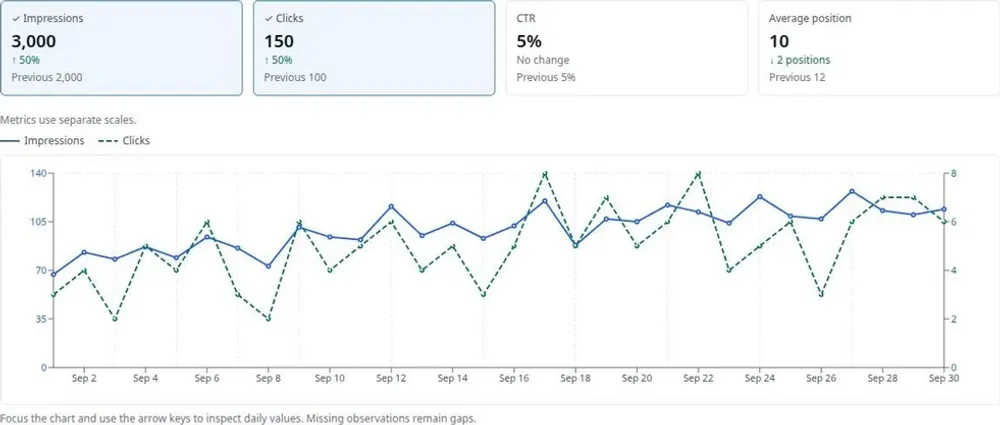
Publish long-form content from Google Docs without fighting the WordPress editor.
Move approved drafts from Google Docs into WordPress with consistent formatting and metadata.
Manage publishing workflows across multiple client WordPress sites.
Handle higher-volume WordPress content operations with exports, updates, and automations.
| Manual copy-paste | tenwrite |
|---|---|
| Rebuild formatting manually | Clean conversion from Google Docs |
| Upload images one by one | Upload images to WordPress Media Library |
| Re-enter metadata | Set metadata before export |
| Risk duplicate posts | Update linked existing posts |
| Hard to scale | Use Drive and Sheets automation |
| Inconsistent output | Repeatable publishing workflow |
Try Tenwrite with the free plan, then move to higher limits, more connected sites, automations, and team workflows when needed.
“I found Tenwrite to be the easiest to setup and use…”
“Tenwrite makes it easier to get an article from Google Docs into WordPress…”
“Their Sheet Automation and Drive Automation is a game changer for me.”
#faq
Yes. Generate SEO titles, meta descriptions, and focus keywords for self-hosted WordPress, plus categories and tags for WordPress posts and image alt text. Review and edit suggestions in the web dashboard before export. Pro includes 30 monthly AI credits; Agency includes 75 shared credits. In Drive and Sheets automations, put #GENERATE# in supported fields to request AI. AI credits are separate from export limits, and manual metadata controls remain available on every plan.
Yes. Tenwrite lets you export Google Docs to WordPress posts and pages with formatting, images, metadata, categories, tags, status, and scheduling options.
Yes. Tenwrite supports self-hosted WordPress sites, WordPress.com, and other supported WordPress setups.
Tenwrite can upload images from the Google Doc to the WordPress Media Library and update the post content to use the correct WordPress image URLs.
Yes. If a WordPress post is linked to a Google Doc, Tenwrite can re-sync the document to update the same post instead of creating a duplicate.
Yes. Tenwrite supports draft, published, and scheduled publishing workflows for WordPress.
Yes. Tenwrite supports WordPress-ready output, including Gutenberg block output and Classic HTML options.
Yes. Tenwrite supports Google Drive folder automation and Google Sheets automation on Pro and Agency plans.
Tenwrite is a publishing and content management app with a web dashboard and Google Docs add-on. Its optional WordPress plugin adds support for SEO metadata on self-hosted sites with Yoast SEO or Rank Math. The plugin is available on all plans.
Insert a WordPress frontmatter table through Extensions > Tenwrite > Frontmatter in Google Docs. Keep it as the first element in the document. Fill in the fields you need, such as title, slug, categories, and status. Tenwrite reads the table during export and sync, then removes it from the published content.
Yes. On a self-hosted WordPress site, install the Tenwrite WordPress plugin to pass supported SEO fields to Yoast SEO or Rank Math. Set SEO title, meta description, focus keyword, canonical URL, noindex, and nofollow in Tenwrite or frontmatter. The plugin and SEO metadata controls are available on all plans, including Free.
Yes. SEO Tracker is included in every paid plan. The site owner connects Google Search Console, then you can see impressions, clicks, CTR, and average position for loaded published content. Compare 7, 30, or 90 days with the previous period. Finalized search data updates daily with a three-day delay.
Yes. Sync Site Content loads WordPress posts and pages into the Content Index, subject to your plan’s per-site limit. Search, filter, and manage the loaded content in My Posts. Sync Post has a different purpose: it sends a linked Google Doc’s changes to the existing WordPress post.
Connect your WordPress site, choose a Google Doc, and let Tenwrite handle formatting, images, metadata, publishing, and updates.