
Write and review in Google Docs.
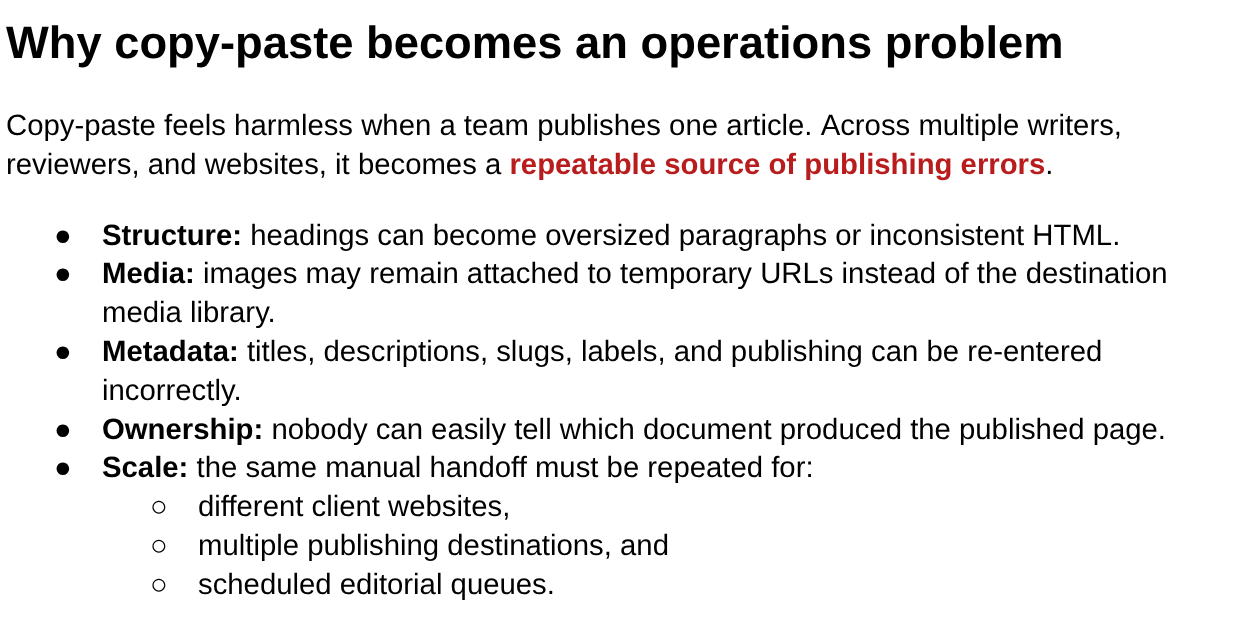
Use the editor your writers already know. Keep headings, images, links, lists, and tables in the document.
Google Docs publishing and content management
Write and review in Google Docs. Set your publishing details, export with Tenwrite, then manage updates and track search performance in one place.
5 free exports · No credit card required
Trustpilot 4.301–03 / Write, set details, publish
Keep the draft and review process in Google Docs. Tenwrite handles the export, images, and formatting when the article is ready.
Use the editor your writers already know. Keep headings, images, links, lists, and tables in the document.
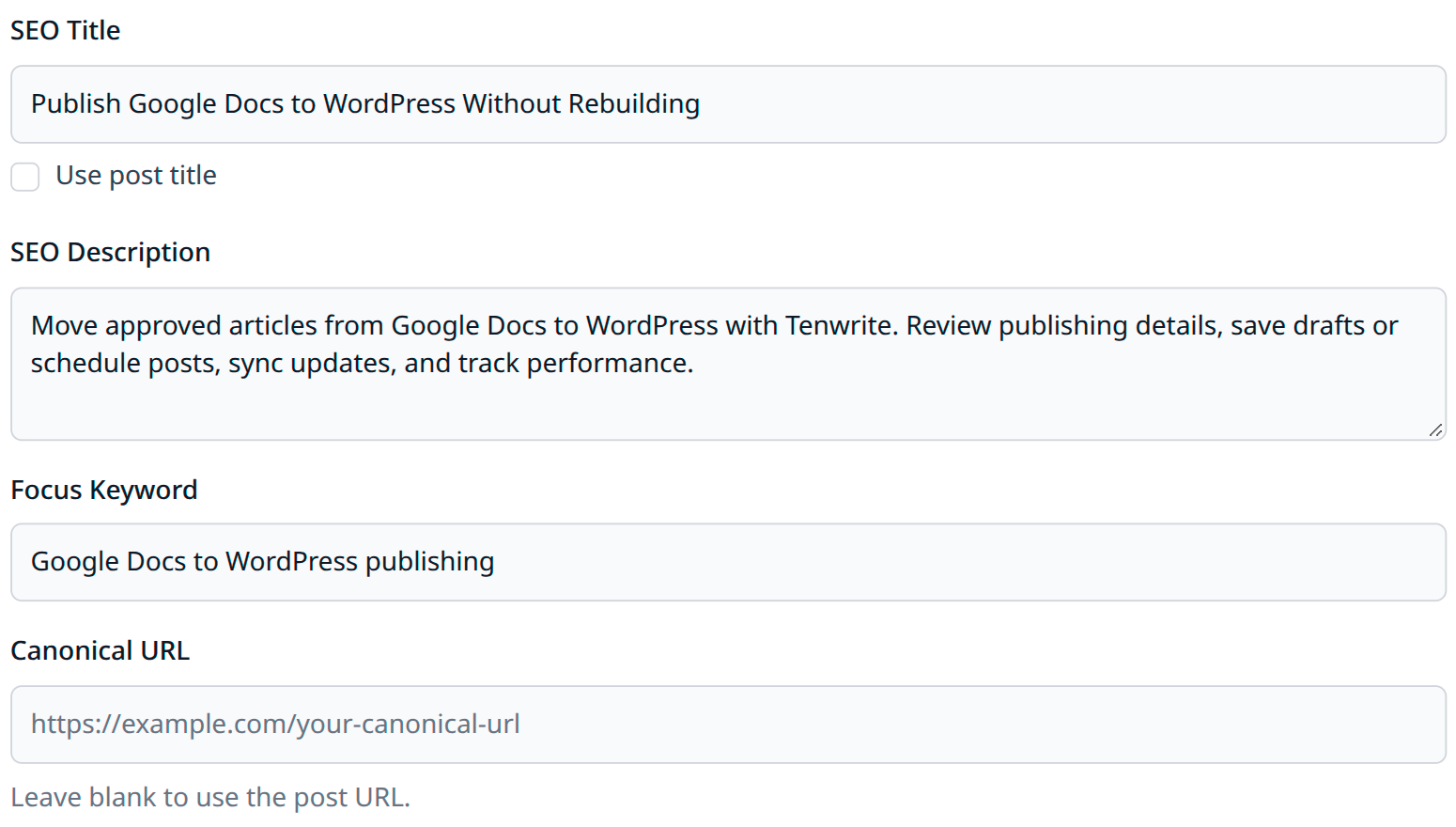
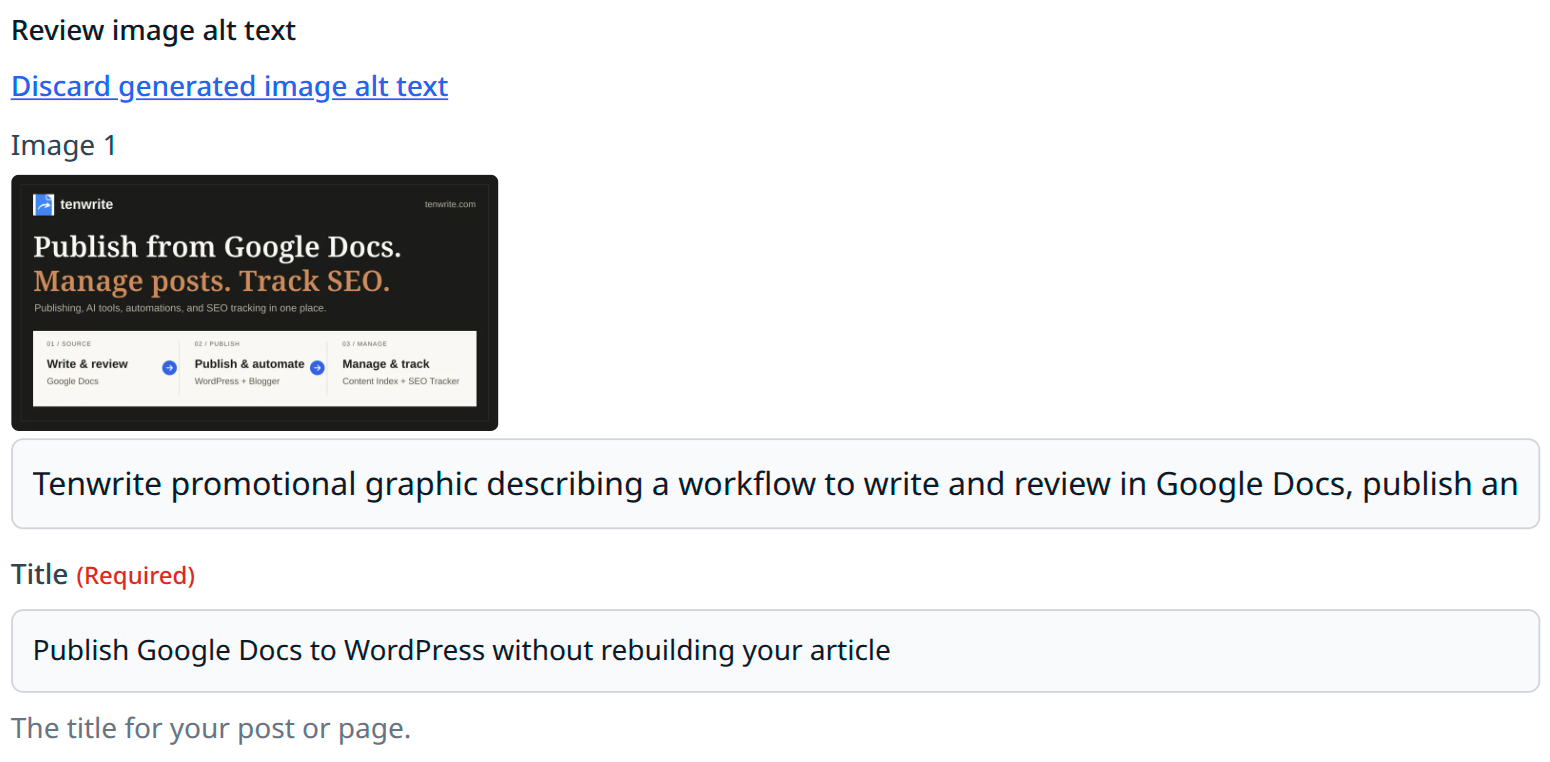
Choose a title, slug, status, schedule, and platform settings in Tenwrite. Or add a frontmatter table to the Doc so those instructions travel with the article. See the frontmatter fields ↗
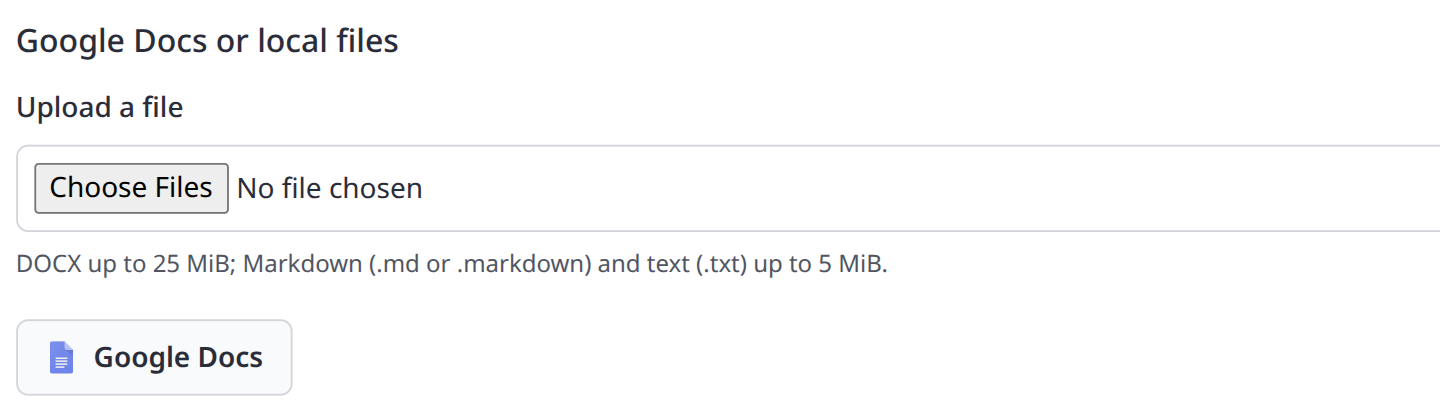
Export from the Google Docs add-on or the web dashboard. Select one document or a batch. You can also publish DOCX files stored in Google Drive directly to either platform, without converting them to Google Docs.
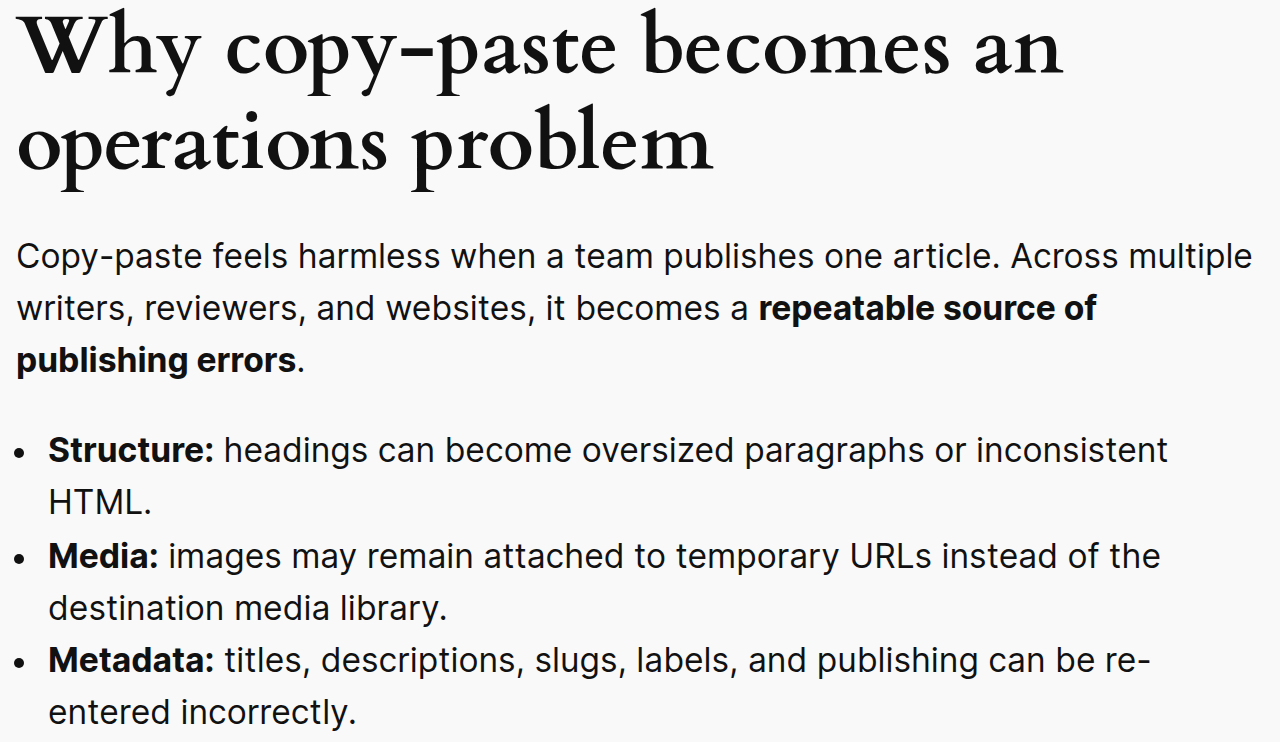
This demo shows a real article written in Google Docs and published to WordPress. You can click to inspect any of them.
04 + 06 / Content Index and post updates
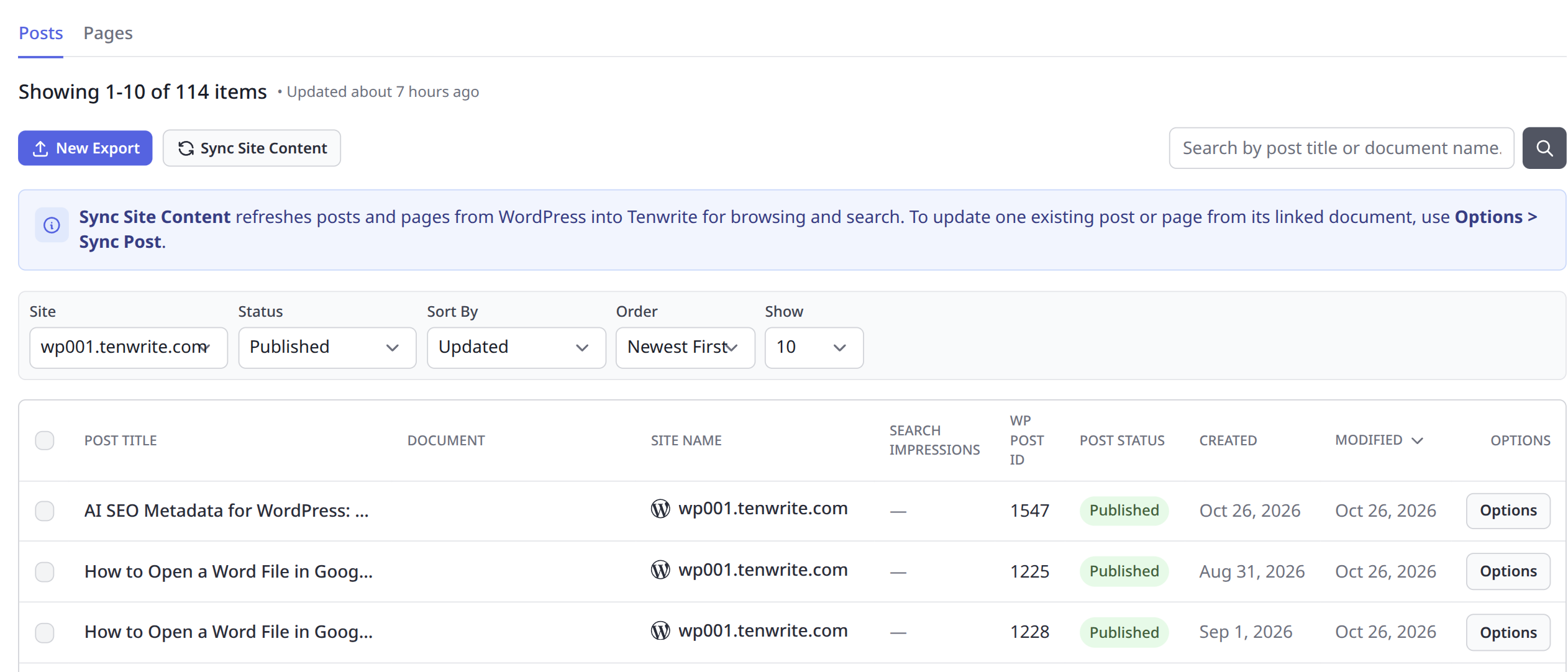
The Content Index keeps your posts, source Docs, site names, and publishing status together. Search and filter across connected sites in each one place.

Use Sync Site Content to bring posts and pages from your website into Tenwrite for browsing and search.
Read the Content Index guide ↗Edit the linked Google Doc, then use Sync Post to update that same post. You can also update general and SEO metadata from here.
Read the Sync Post guide ↗05 / SEO Tracker
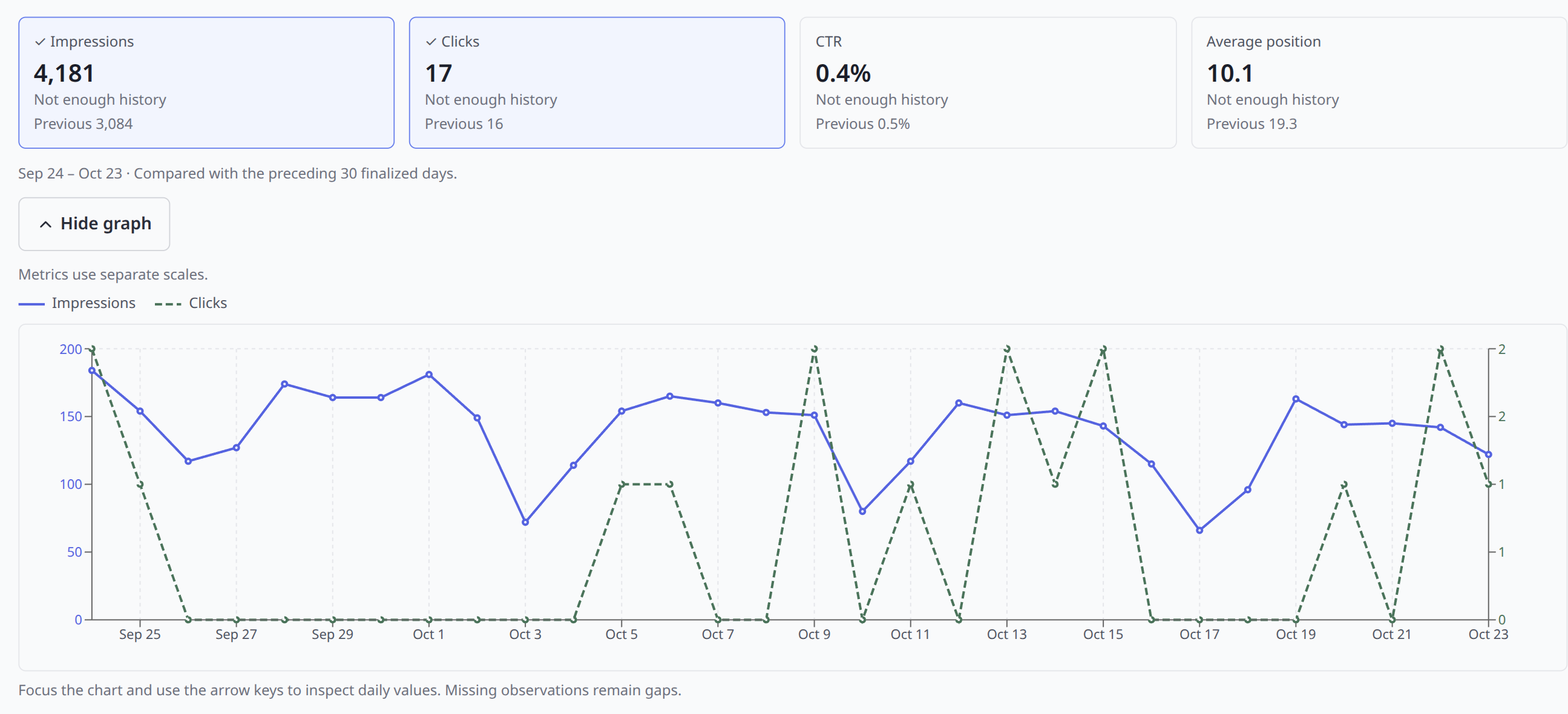
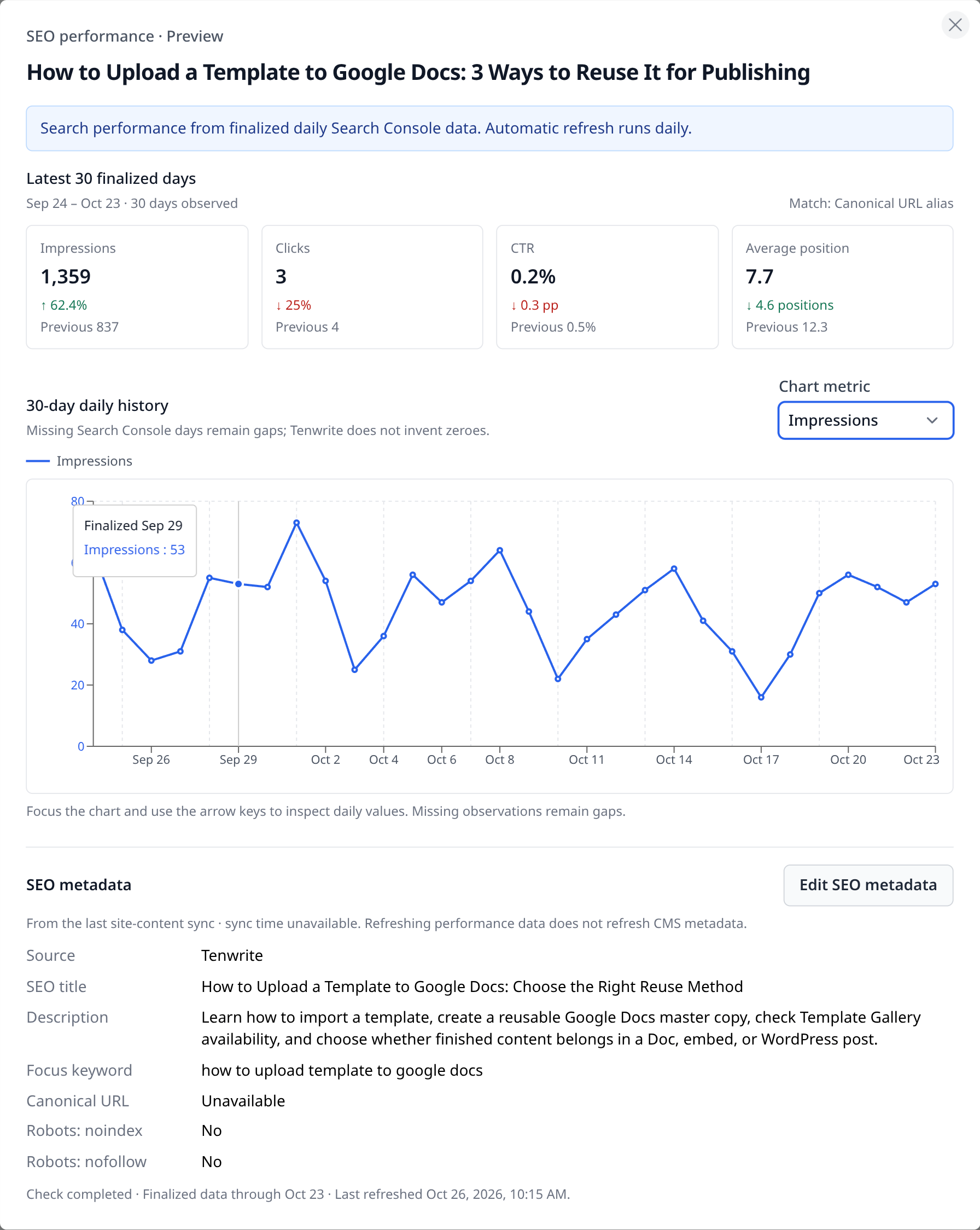
Connect Google Search Console to see impressions, clicks, click-through rate, and average position for your WordPress or Blogger content.
Included in paid plans. Requires a connected Search Console property. Finalized data is collected daily, with a three-day cutoff.
See the SEO Tracker guide ↗

Bulk publishing and automations
Start with a manual export. When publishing becomes routine, connect a Drive folder or Google Sheet and review each run in Tenwrite.
See agency workflows ↗Select multiple Google Docs, set the publishing details, and export them to your connected site.
See publishing options ↗Watch a folder for new and changed Google Docs. Tenwrite checks hourly and can update the existing linked post.
Read the Drive automation guide ↗Create and update posts from spreadsheet rows. Set content, metadata, destination sites, and schedules in the sheet, then review status and run results.
Read the Sheets automation guide ↗For agencies and content teams
Handle multiple client's source Docs, publishing settings, and posts in one place. Find articles across sites, use shared team access, and automate recurring publishing.
The Agency plan includes unlimited exports and unlimited connected sites. Team seats: 5 included.
See Tenwrite for agencies ↗“I like that it lets me schedule my posts beforehand and it saves me time from logging in every day. Their Sheet Automation and Drive Automation is a game changer for me.”
Read reviews on Trustpilot“I will recommend this for any writer and content blogger. Worth every penny.”
See the publishing steps in this one-minute walkthrough. Then open the demo Doc and published article above to inspect them yourself.
Watch this one-minute Tenwrite demo to see a Google Doc published to WordPress with its formatting and images.
Questions about Tenwrite
You can publish Google Docs to WordPress and Blogger, including images, headings, links, lists, and tables. You can also select DOCX files stored in Google Drive and publish them directly from the web dashboard. Tenwrite supports self-hosted WordPress and WordPress.com sites.
Yes. Select a DOCX file from Google Drive in the Tenwrite web dashboard and publish it to WordPress or Blogger. You do not need to convert the file to a Google Docs document first.
Set publishing details in Tenwrite or in a frontmatter table at the top of your Google Doc. Frontmatter can set the title, slug, status, schedule, categories, tags, and other supported fields. On self-hosted WordPress, the Tenwrite plugin also sends supported SEO fields to Yoast SEO or Rank Math. Fields set in frontmatter are controlled by the Doc during export and sync.
Yes. Edit the linked Google Doc, then use Sync Post in Tenwrite to update the existing live post. Use Sync Site Content to refresh the Content Index from your website. These are separate actions: refreshing the index does not publish changes from a Doc.
Select multiple Google Docs for a manual bulk export. On Pro and Agency, you can also set up Drive automation to publish new and changed Docs from a folder, or Sheets automation to create and update posts from spreadsheet rows. Automations check hourly. You can review run status and results in the dashboard.
It shows Google Search Console impressions, clicks, click-through rate, and average position for your published content. Choose 7, 30, or 90 days and inspect individual posts. SEO Tracker requires a connected Search Console property and a paid plan for the site owner. It uses finalized data collected daily, with a three-day cutoff.
The free plan includes five exports and one connected site so you can try publishing and linked post updates. SEO Tracker is included in paid plans. Drive and Sheets automations are included in Pro and Agency. You can take part in the Export Rewards program to increase your limits. You can compare all limits on the pricing page.
Connect your site, select a document, and publish with Tenwrite.